
HOME HARDENING HUB
What is Home Hardening?
Home Hardening makes your home safer from wildfire by upgrading key building features with fire-resistant materials and using design elements that make homes less likely to ignite during a wildfire. It also involves maintaining vegetation and landscaping in ways that reduce fire risk. Some materials are naturally fire-resistant, while others are treated to better withstand flames. Your goal is to seal any areas that embers can intrude. Small upgrades can significantly increase your home’s resilience.
Fire-resistant building materials and designs include:

Class A-rated Roof Coverings

Non-Combustible Siding
Ember-Resistant Vents & Gutter Covers

Double-Pane Tempered Glass Windows
Fully Enclosed Eaves

Non-Combustible Fencing Within At Least 5 Feet
DEFENSIBLE SPACE
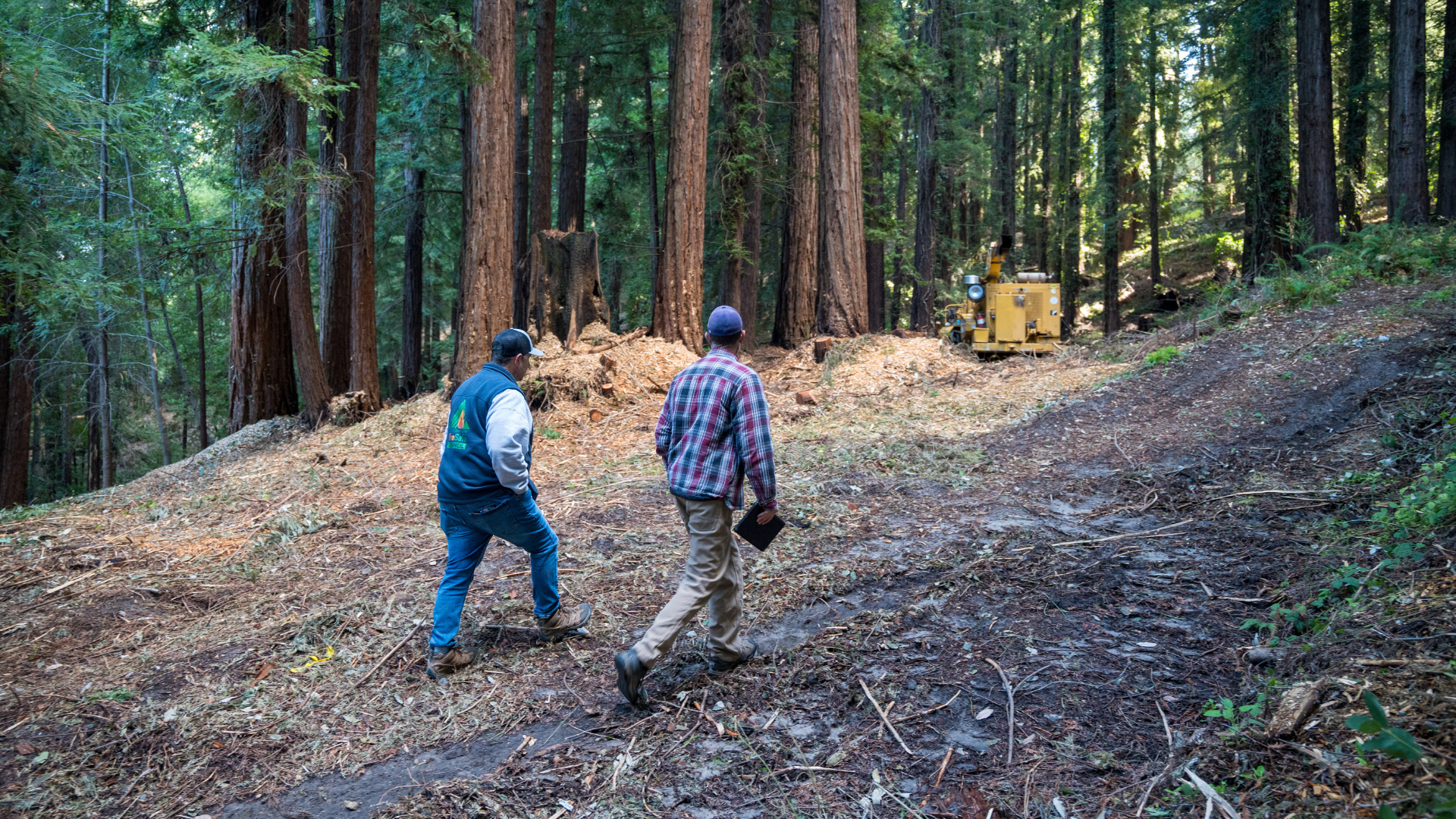
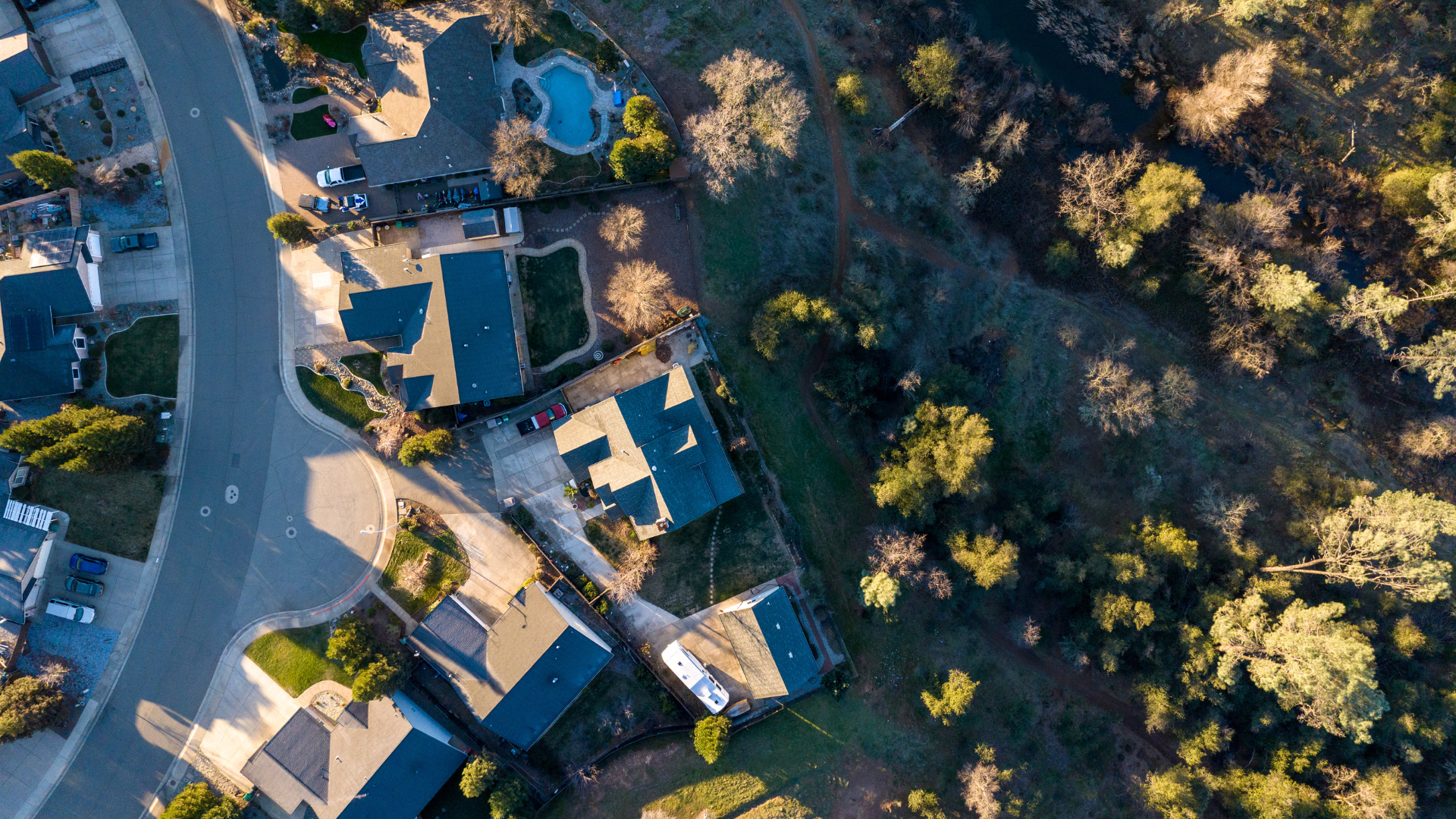
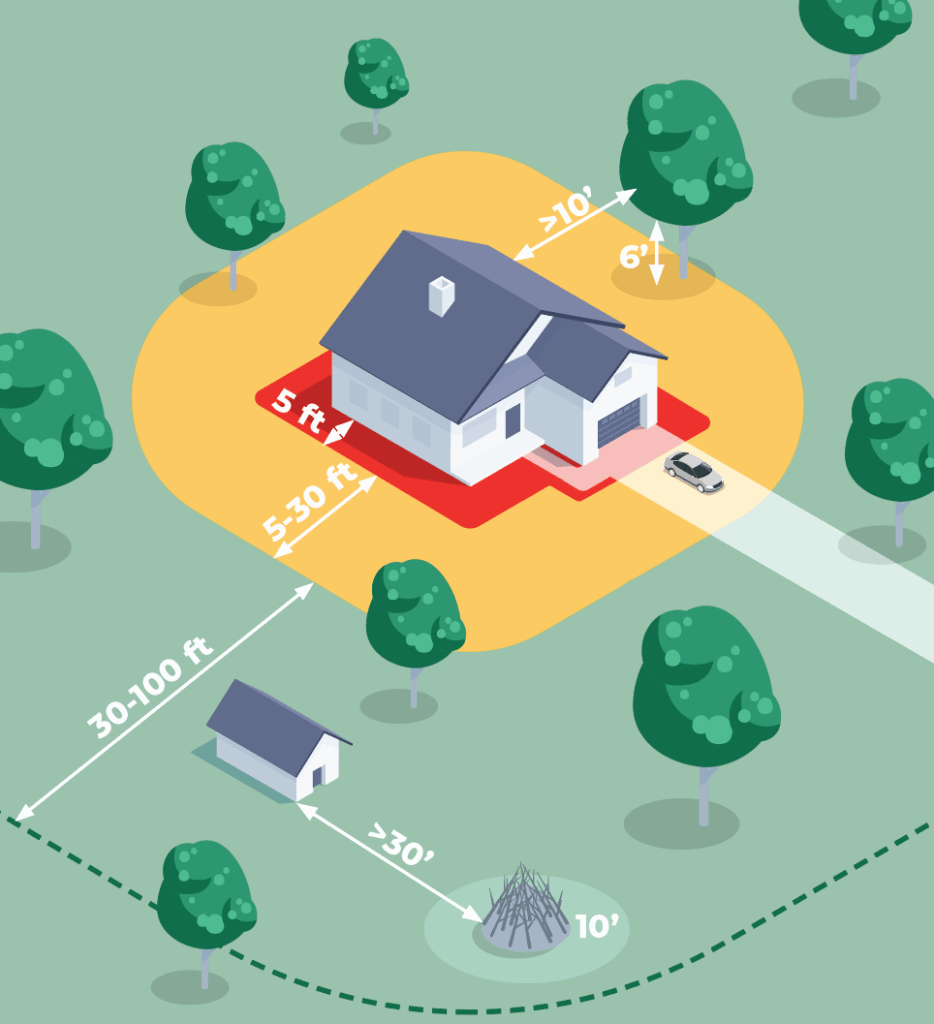
Defensible space is the buffer zone between your home and surrounding vegetation and buildings that helps slow or stop the spread of fire that would otherwise overtake your property. It also provides firefighters with a safer area to defend your property. There are three zones of defensible space that must be addressed in order to improve your home’s chances of surviving wildfires.
Zone 0 (0 – 5 ft)
Ember Resistant Zone
Most critical. Keep this area clear of anything that might catch fire.
Remove all vegetation, including grass, ornamental or native plants, shrubs, fallen leaves and tree needles, weeds, and combustible mulches including bark and woodchips. You can landscape this area beautifully with stone or gravel.
Keep any green plants in this area in 5-gallon pots away from a vent, door, or window.
Clear debris from your roof, gutters, deck, porch, stairways, and under any areas of your home, as well as from beneath and around solar panels, where leaves, needles, and other combustible materials can accumulate.
Trees do not need to be removed, but ensure any branches are cut back to at least 5 feet from the home and 10 ft from chimneys and stovepipe outlets. Remove any dead branches.
Replace wood fences in the first 5 ft from the home with fences made of metal or concrete.
Avoid storing combustible items near the home (furniture, woodpiles, sheds, etc).
Zone 1 (5-30 ft)
Keep it lean, clean, and green
Remove dead vegetation and regularly clear dead or dry vegetation and create space between trees.
Trim trees regularly to keep branches a minimum of 10 feet from other trees and branches 6ft from the ground (or 1/3 of the tree height).
Make sure shrubs and bushes are well spaced (at least 2x the size of the plant).
Avoid storing combustible items near the home (furniture, woodpiles, sheds, etc).
Zone 2 (30-100 ft)
Space it out
Cut or mow grass down to a maximum height of four inches.
Create horizontal and vertical space between grass, shrubs, and trees.
Remove fallen leaves, needles, twigs, bark, cones, and small branches. However, they may be permitted to a depth of three inches.
Store wood piles 30’ from structures and keep 10 feet of clearance around exposed wood piles, down to bare mineral soil, in all directions.
Clear areas around outbuildings and propane tanks. Keep 10 feet of clearance to bare mineral soil and no flammable vegetation for an additional 10 feet around their exterior.
Defensible Space Zones – 0, 1, and 2 are subject to change, pending the release of the Board of Forestry and Fire Protection’s complete rulemaking and final regulations.
Decks, Stairs, and Pergolas
Use noncombustible materials where possible, especially for the first few feet from the home. Don’t store anything under your deck, enclose decks that are less than 4 ft from the ground with noncombustible materials, and keep flammable materials off the deck.
Solar Panels
Keep areas beneath solar panels clear of combustible materials, including leaves, pine needles, and other debris that could ignite from wind-driven embers. Ensure vents beneath solar panels are protected with ember-resistant materials or covered with 1/8-inch or finer corrosion-resistant metal mesh where applicable.
Take the Home Hardening 3D Tour
Why Should I Harden My Home – An Animated Video Series
Creating Your Zone 0
Zone 0 is the first five feet around your home and one of the most important areas to focus on for wildfire protection. Learn what to remove, what to maintain, and how creating this space can help reduce opportunities for embers to ignite your home.
The Fire Triangle
Every fire needs three things: heat, oxygen, and fuel. Learn the basics of the fire triangle and how reducing available fuel around your home can help reduce opportunities for wildfire ignition.
Fences As Fire Pathways
A combustible fence can provide a direct path for fire to reach your home. Learn how replacing the section of fencing closest to your home with noncombustible material can help break that pathway.
Windows That Hold Up
Windows are an important barrier between your home and a wildfire. Learn how dual-pane tempered glass can provide greater resistance to heat and impact than single-pane windows.
Ember Resistant Vents
Wildfire embers can travel long distances and enter your home through small openings, including vents. Learn how ember-resistant vent screening can help keep embers out while allowing your home to breathe.
Enclosing Eaves & Soffits
Open eaves can give wind-driven embers a place to collect and ignite. Learn how enclosing the underside of your eaves and soffits can help reduce one of the potential entry points for wildfire embers.
Need A Wildfire Risk Assessor?
A Wildfire Risk Assessor is someone with the training and knowledge to identify wildfire risk areas on your land, home, and/or community in the event of a wildfire. These include things like tree limbs over your roof, combustible fences attached to your home, and overgrown dry shrubs too close to your home. Many assessors have been certified through the National Fire Protection Association’s Certified Wildfire Mitigation Specialist program, similar programs, or are retired firefighters. They also may adhere to the Institute for Business and Home Safety Institute’s Wildfire Prepared Home guidelines. These practitioners’ main purpose is to offer a written report prioritizing and recommending work to make your home or community fire safe and fire ready.
We list two types of Assessors in our Fire Safe Business Directory. Wildfire Risk Assessors Only provide an assessment report as a roadmap for you to follow and implement, either with or without outside service providers. It may include DIY activities for low-cost solutions or the need for professional services which you can find in the directory. Wildfire Risk Assessors + Product/Service Solutions provide an assessment report as well as specific products and/or services they offer.

Find a Professional to Harden Your Home
The Fire Safe Business Directory is for you, your neighbors, and entire communities looking to prepare for wildfires in California. It features reviewed businesses offering products and/or services specializing in wildfire safety to give you peace of mind and the know-how to get prepared.

Step 1
Search for providers near you
Tip: Consider starting with a wildfire risk assessor!

Step 2
View search results and select providers

Step 3
Contact providers directly or use our Request a Quote form