
The California Fire Safe Council’s Fire Safe Communities Program works to prevent community ignition through time-tested preparedness and mitigation activities.
Creating Defensible Space & Hardening Homes
Defensible space and home hardening help to slow fire spread and lower ignition risk, as well as make homes more wildfire resilient, protecting against embers and direct flames.
ENGAGING & EDUCATING
We lead outreach and engagement campaigns to educate and empower communities on wildfire preparedness. These materials often serve as a starting point for local engagement and action.
Mobilizing Community Fuels Reduction & Mitigation
CFSC supports neighborhood fuel clean-up efforts, as well as seasonal fire breaks and green spaces, which slow wildfire spread and aid firefighter response.
PLANNING FOR EVACUATION
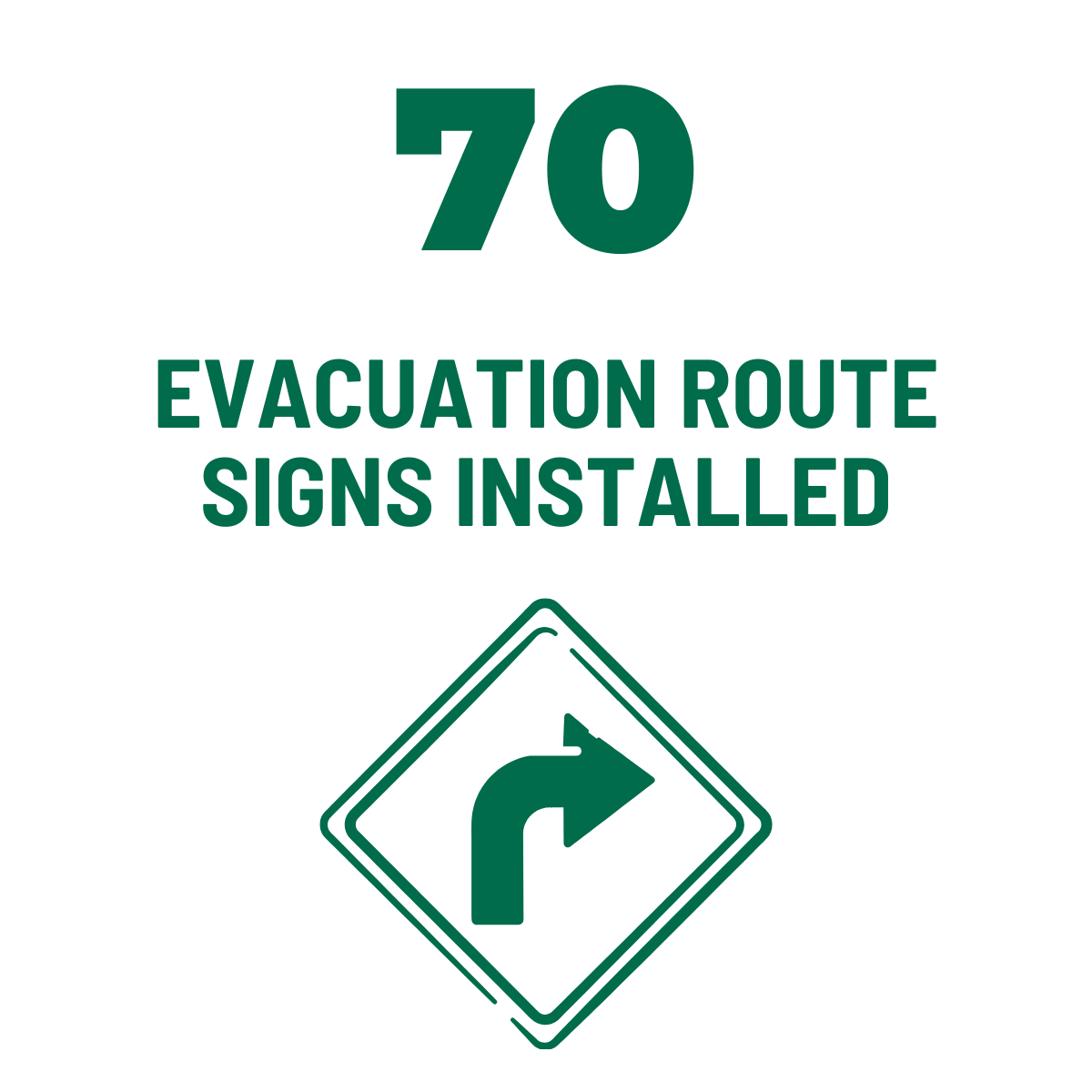
CFSC helps communities create evacuation plans, ensure clear exit routes, post signage, and educate residents on how to evacuate safely and quickly.
Building Local Capacity
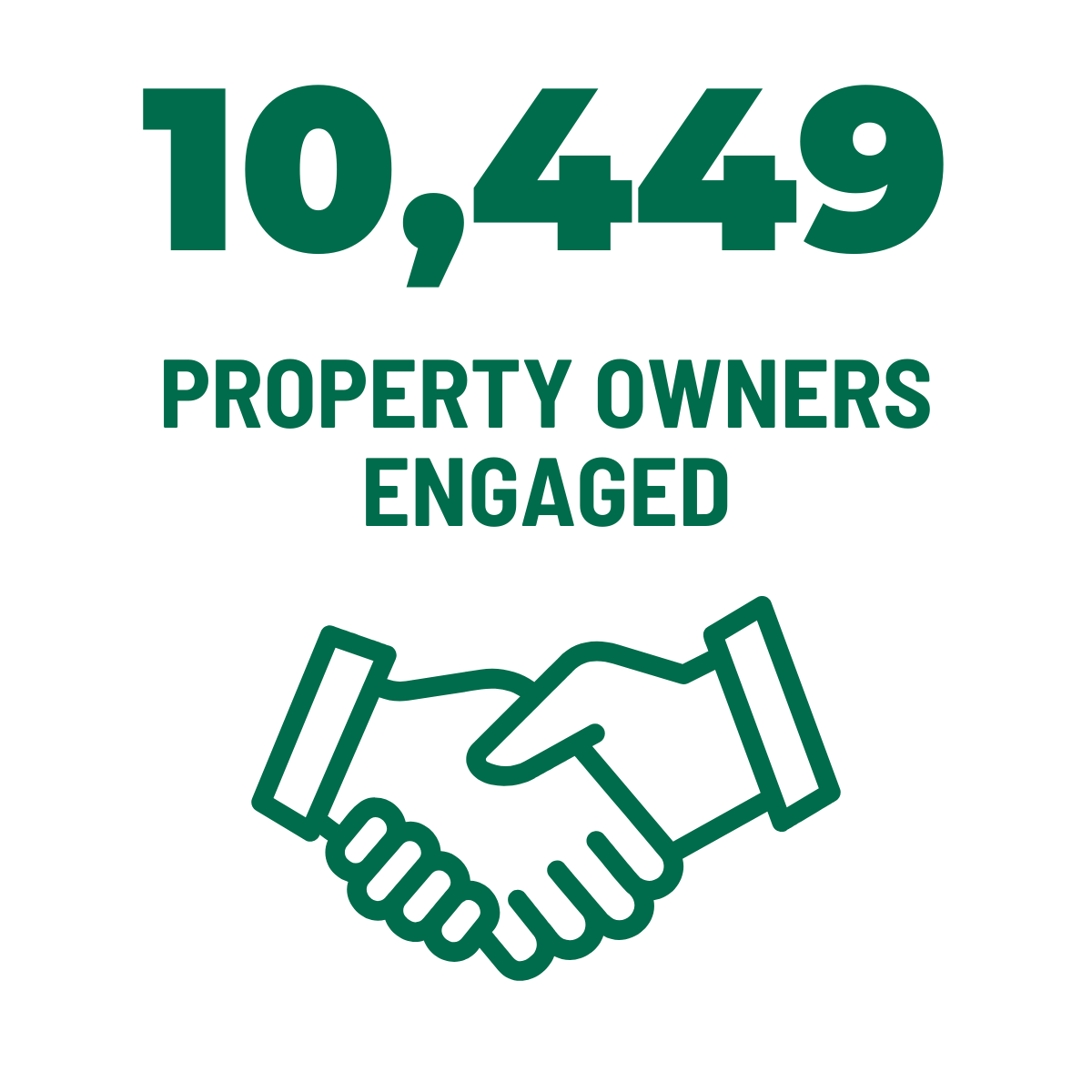
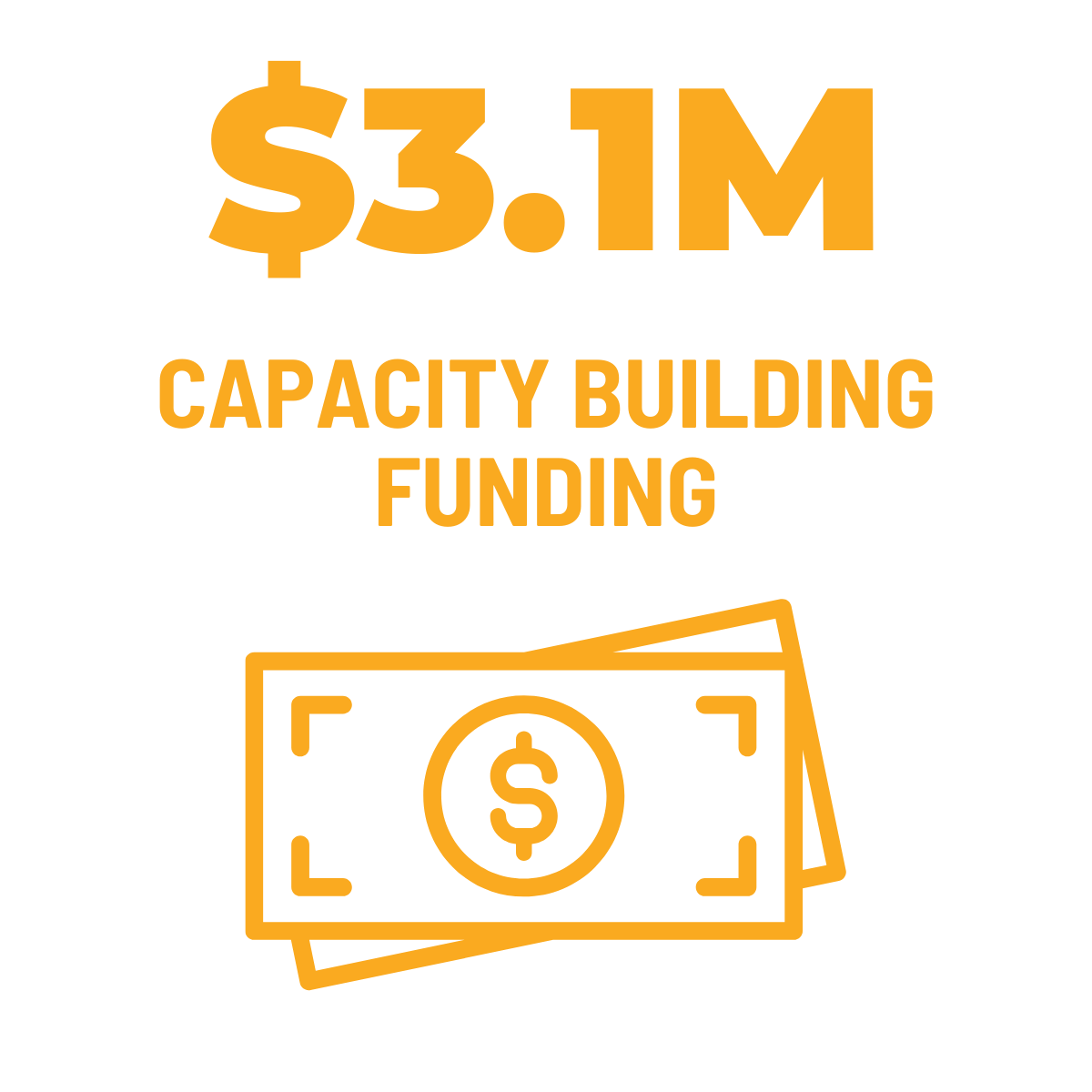
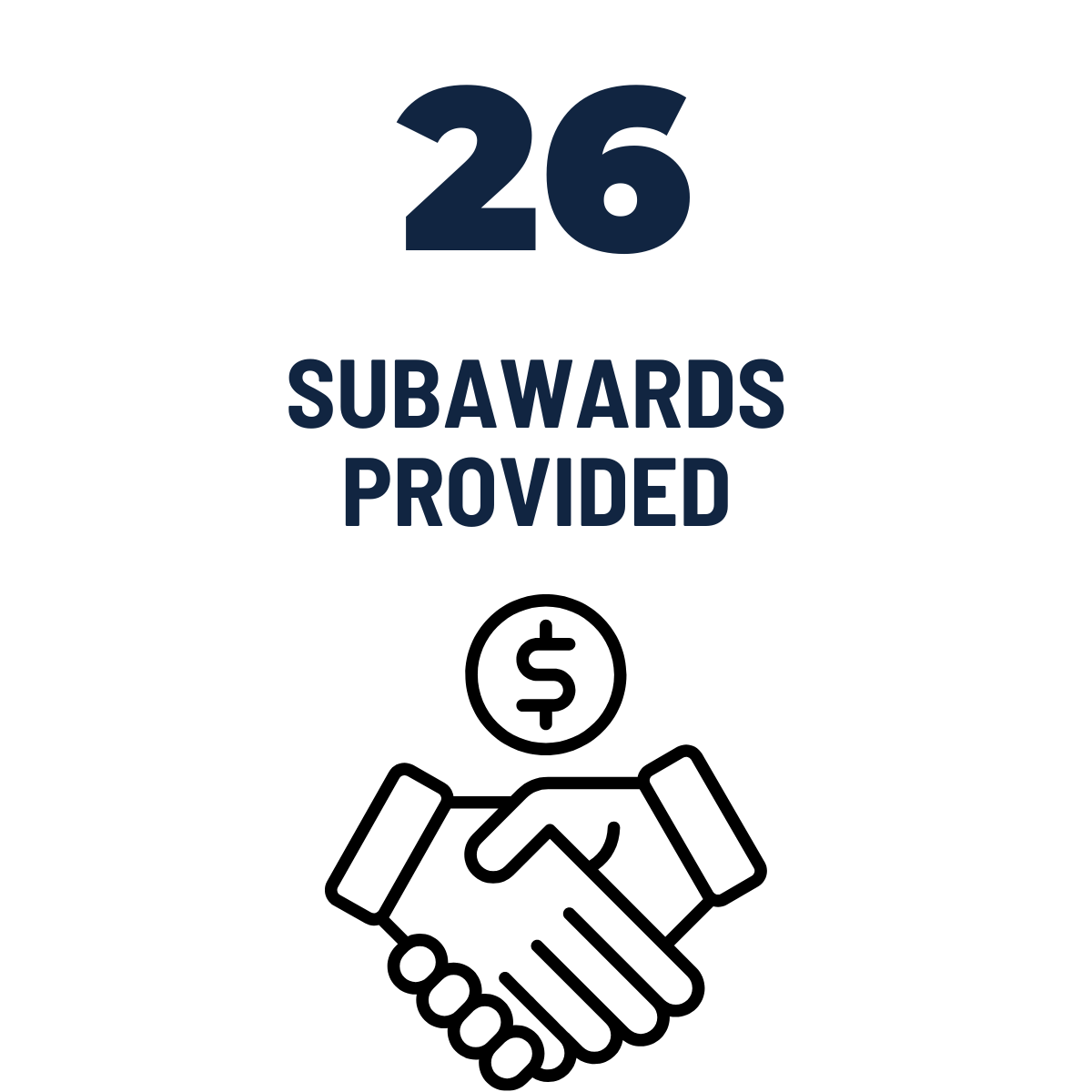
CFSC supports 300+ local Fire Safe Councils with tools, funding, resources, and technical assistance to help them carry out wildfire mitigation and preparedness work.
Boosting Forest Health & Landscape Resilience
We support forest and landscape management projects that restore ecosystem health and reduce long-term wildfire risk to communities.
✅ Yes, I’d like to support the work of the California Fire Safe Council
to help strengthen communities’ resilience against wildfire!
FIRE SAFE COMMUNITIES PROGRAM
RESILIENCY-BOLSTERING ACTIVITIES
Creating Defensible space
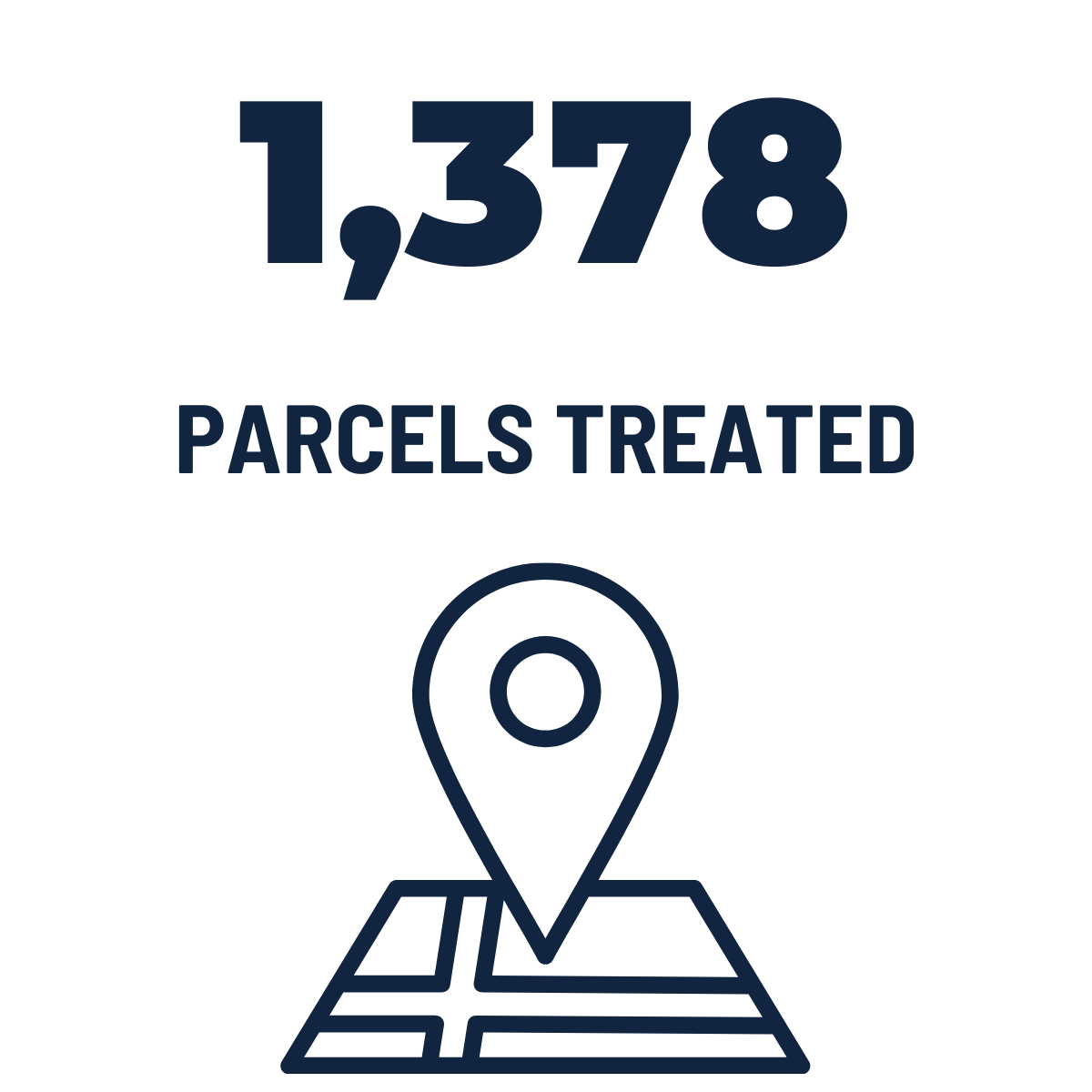
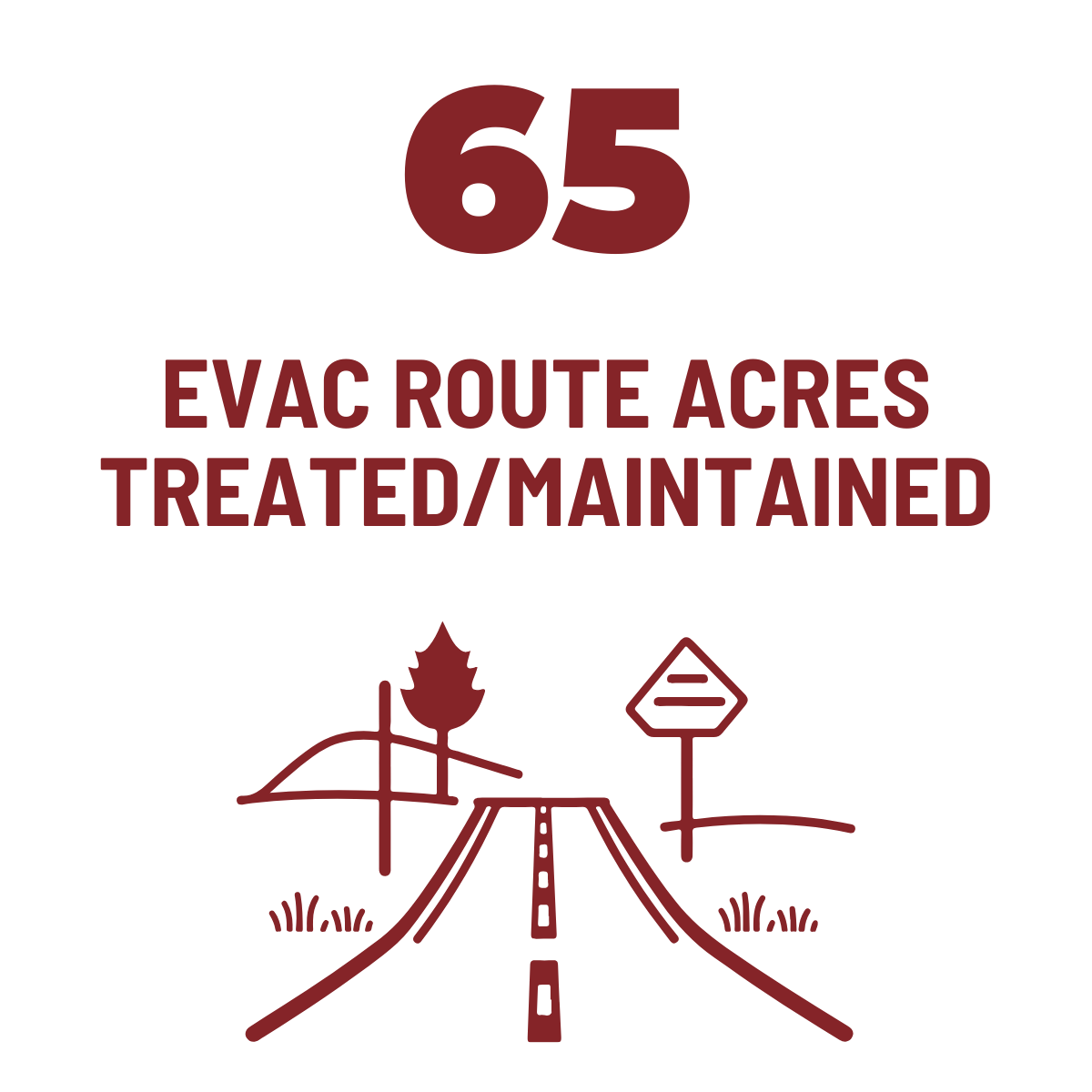
Defensible space creates a buffer zone around a home to halt or stall the spread of fire and reduce the likelihood that a home will ignite. Based on cutting-edge research and California codes, CFSC encourages homeowners to focus on the first 100 concentric feet away from their home in three zones: Zone 0 is 0 – 5 feet from the home and is the most important area to clear of flammable materials and objects; Zone 1 is 6 – 30 feet and should be kept lean, green, and clean; Zone 2 is 31 – 100 feet in which homeowners should remove as much dry, brittle vegetation as possible as well as flammable materials and objects. Building more vibrant, climate-resilient communities starts in every resident’s own backyard. Through our network of Fire Safe Councils and other wildfire mitigation partners, we support at-risk and vulnerable communities in defensible space projects.
Hardening Homes
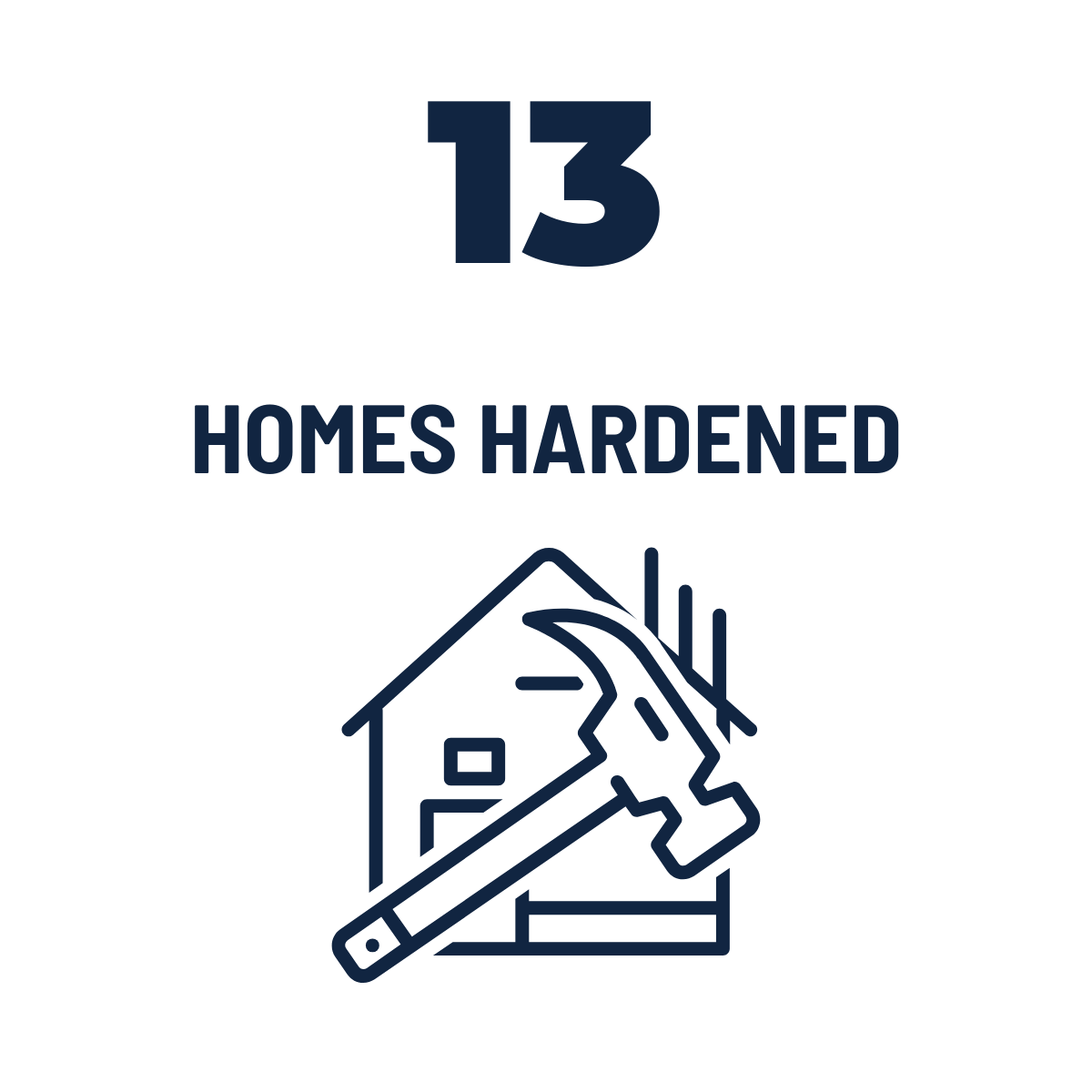
Homeowners can retrofit their homes so that they are more wildfire resilient – protected from both embers and direct flame spread. This includes installation of ember-resistant vents and roofing, replacing single-pane windows with double, enclosing eaves, replacing decks with non-flammable materials, and adding ember-resistant mesh around deck enclosures, among other changes. Ember entry into the home is one of the most common causes of ignition, and home hardening activities can keep dangerous embers out. And since fire can spread between neighboring homes, home hardening is most effective when a whole community participates. CFSC is launching innovative pilot programs to educate communities and provide resources to fund retrofits in low-income, high-risk areas.
ENGAGING & EDUCATING
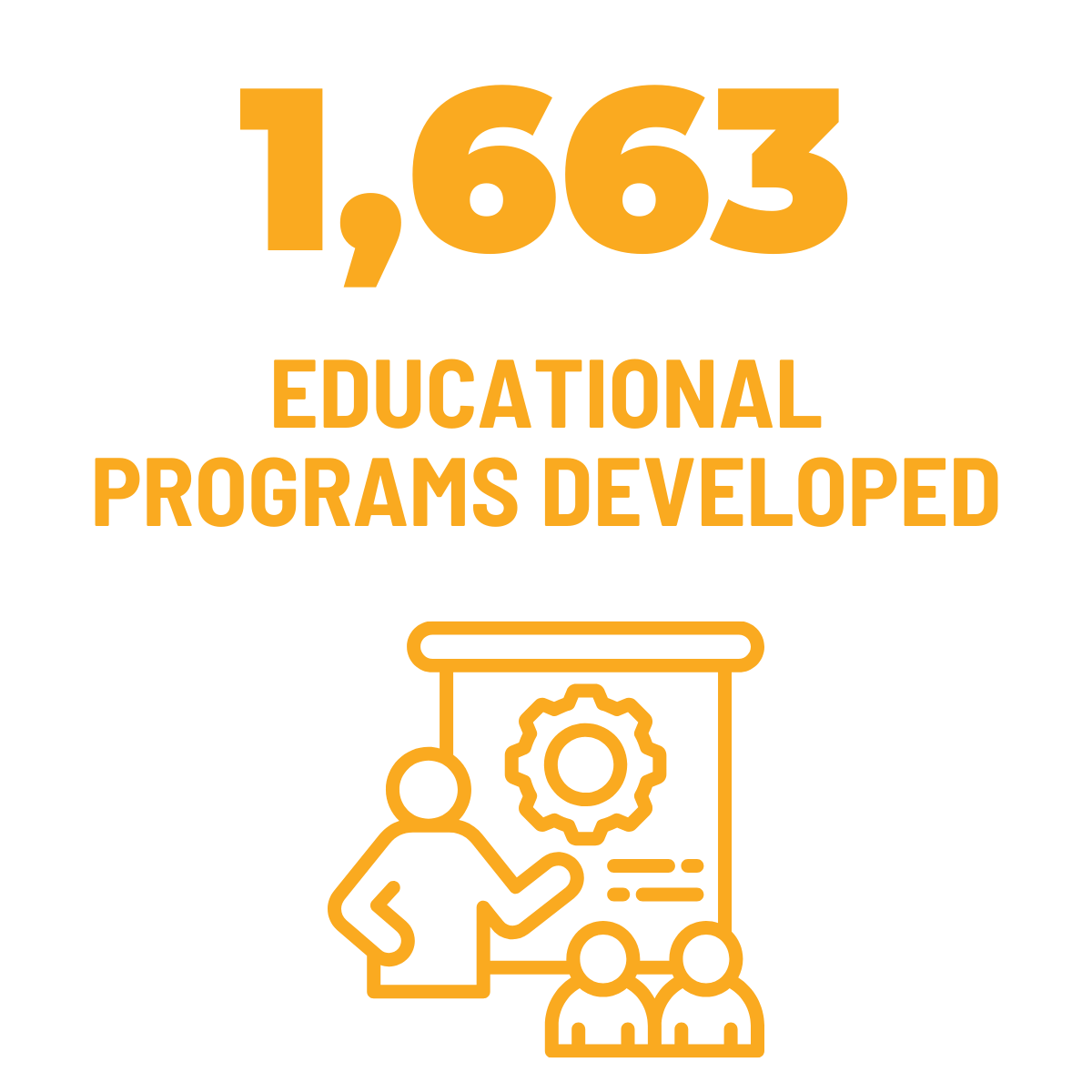
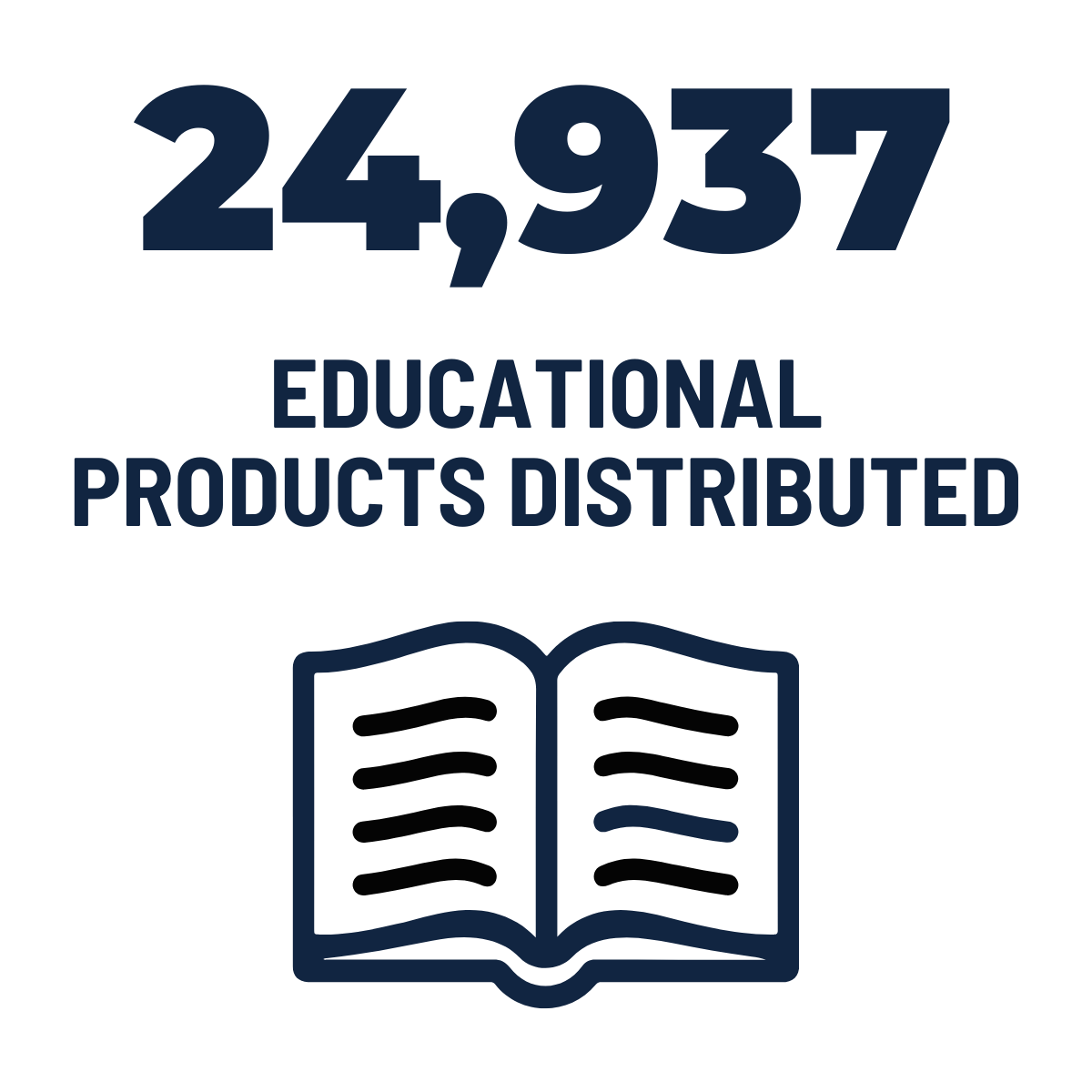
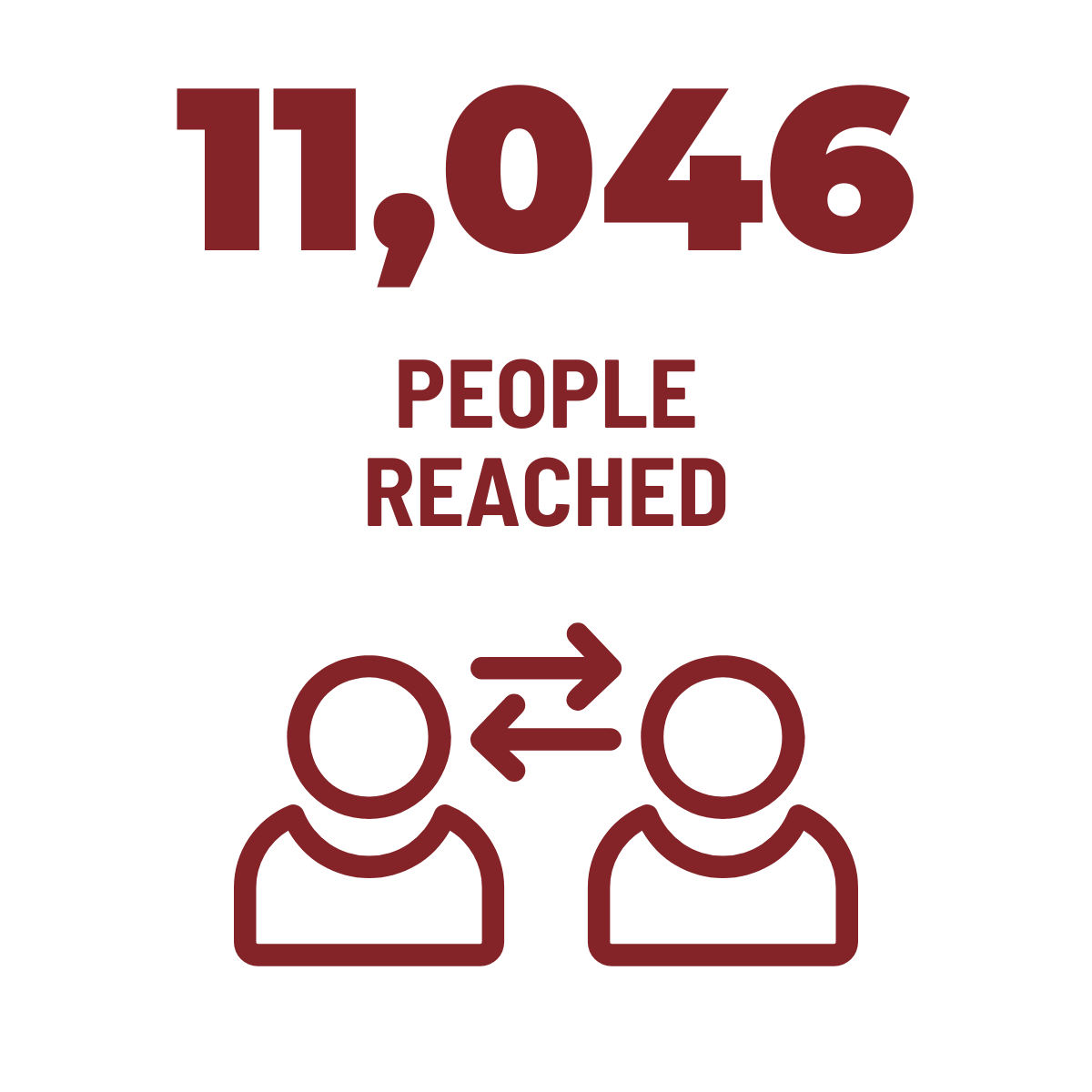
We spearhead and promote community wildfire mitigation outreach campaigns to inform and empower communities across the state. These include topics such as home hardening and safety, defensible space, evacuation, personal preparedness, fire safety, and more. Often, these materials are the first point of entry to engaging with a local fire safe council or their neighbors to discuss how they can be active participants in preparing for fire. We produce mailers, videos, digital assets, and handouts.
Mobilizing Community Fuels Reduction & Mitigation
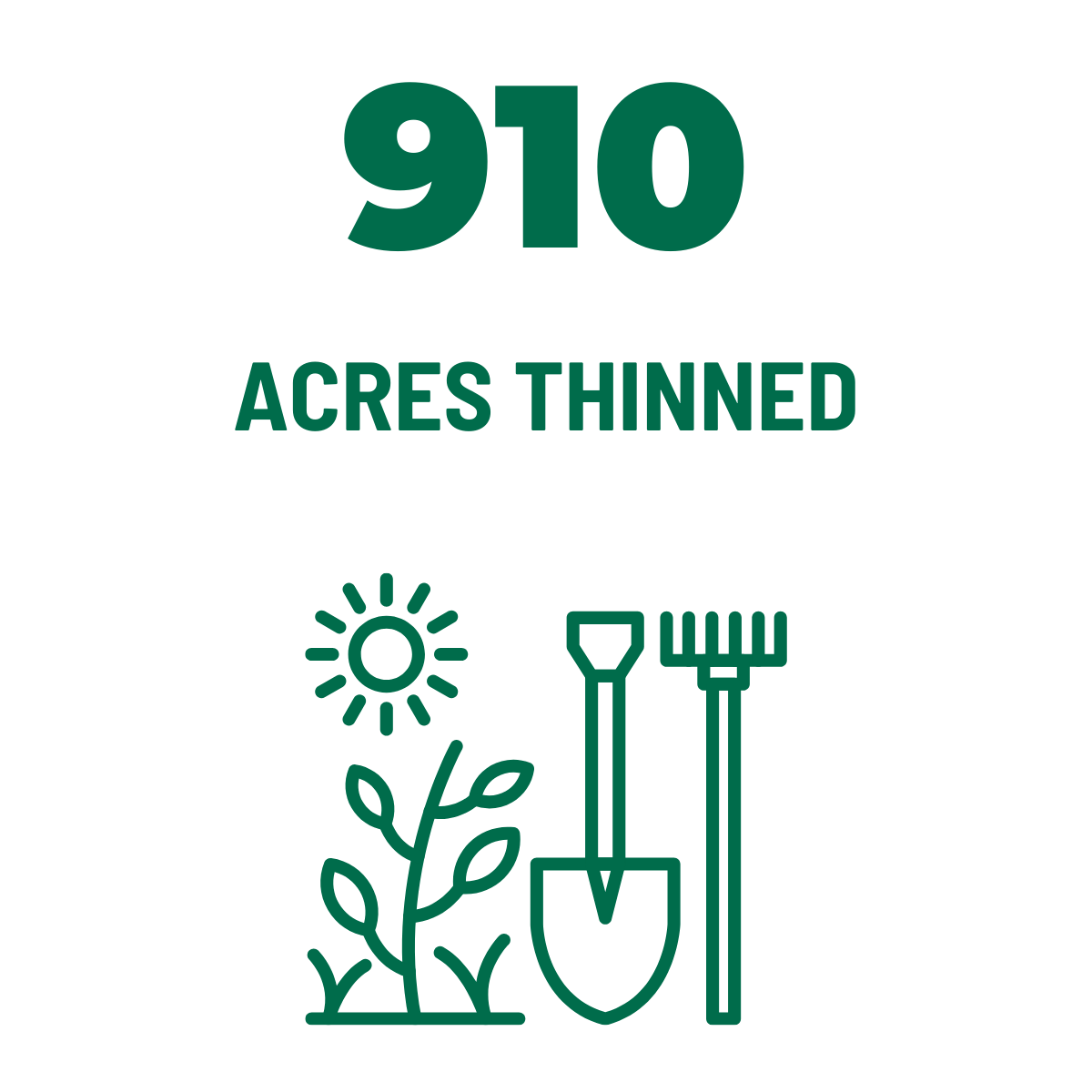
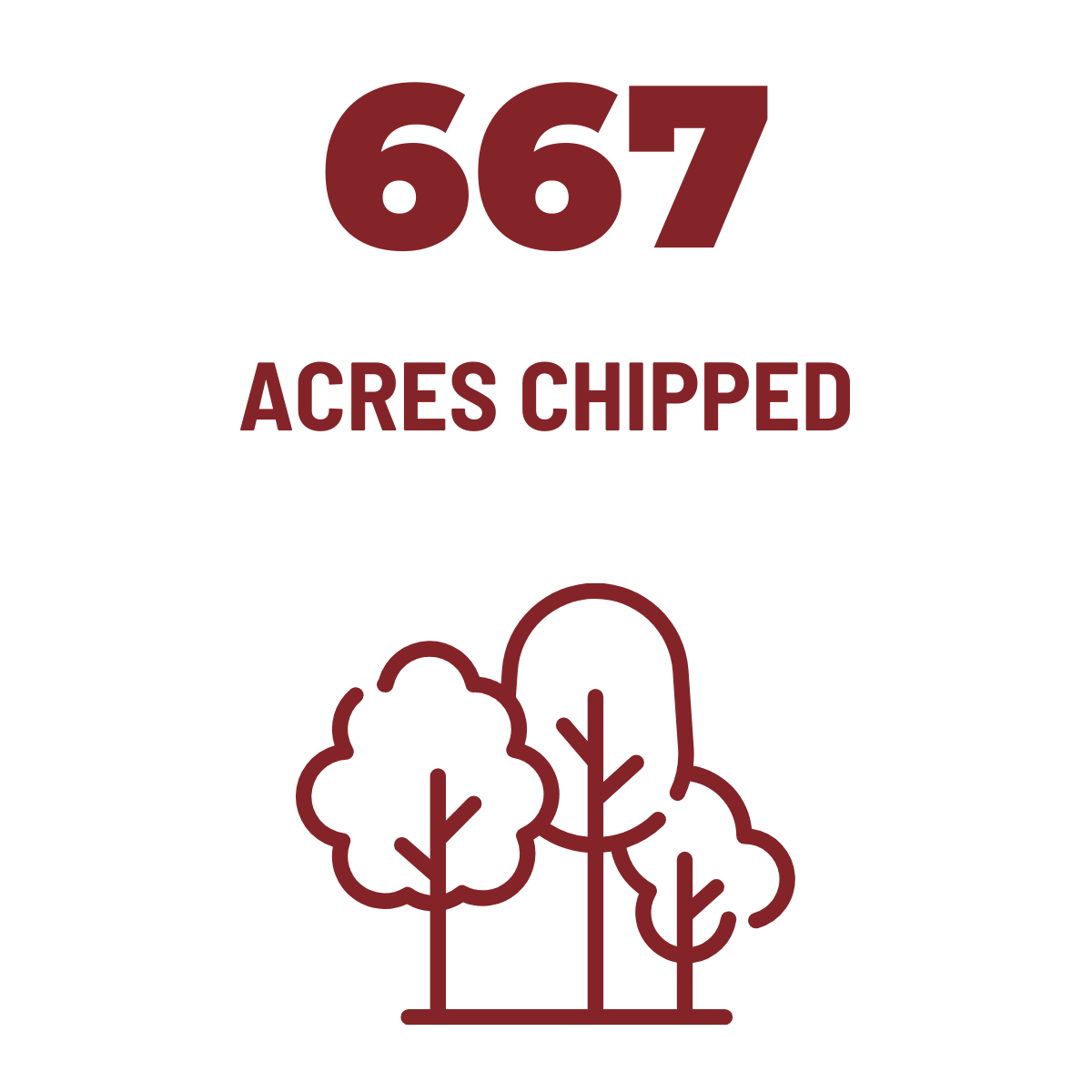
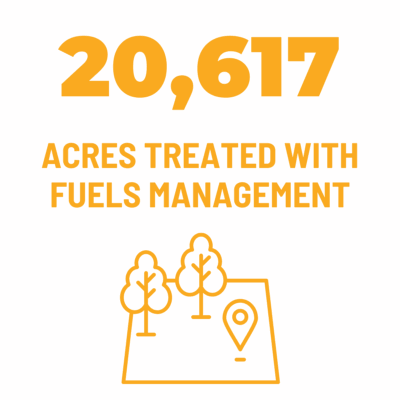
Through our network of Fire Safe Councils and other wildfire mitigation partners, we support neighborhood brush and tree clean-up programs. This could look like an organized chipper day where large mastication machines are brought in for community members to bring their dry brush and yard waste. In addition, we support seasonal community fire breaks or green spaces that help stop fire in its tracks and provide staging areas for firefighters to take their stand.
Planning for Evacuation
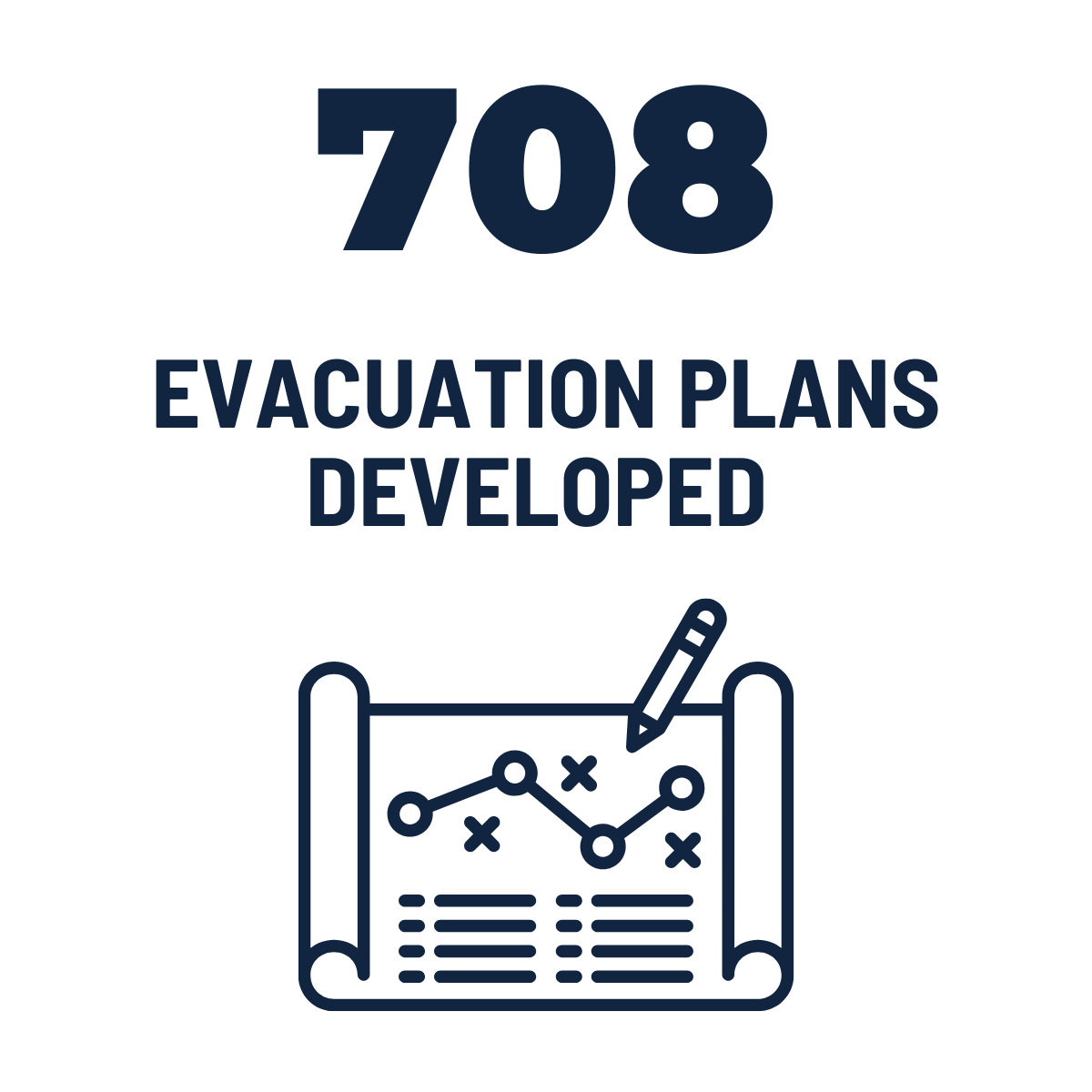
When disaster strikes, lives depend on getting people to safety quickly. CFSC supports communities in developing evacuation plans, making sure exit routes are clear and safe, educating community members on how to evacuate safely and quickly, and putting up signs in communities to highlight their routes. Educated and prepared communities can evacuate quickly, saving lives and allowing firefighters to focus on putting the fires out.

Building Local Capacity
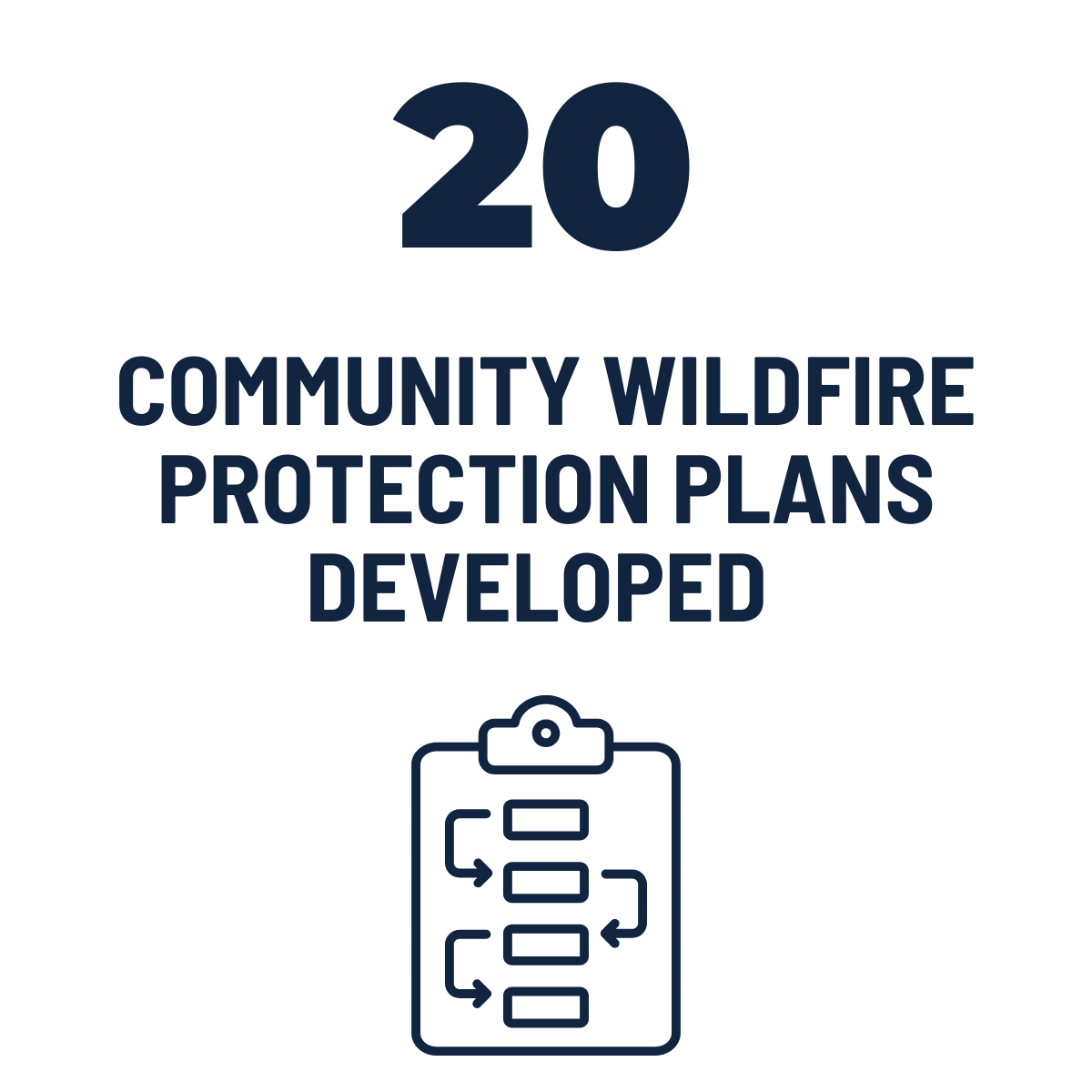
Local capacity provides the foundation on which communities make progress toward their resilience goals. CFSC supports a network of over 300 local fire safe councils conducting critical mitigation and preparedness efforts with tools, resources, funding, and technical assistance to support the capacity to make positive changes in their communities. As part of this work, we support key community planning initiatives such as Community Wildfire Protection Plans critical to long-term wildfire resilience.
Boosting Forest Health & Landscape Resilience
Through our network of Fire Safe Councils and other wildfire mitigation partners, we support forest and landscape management projects meant to restore ecosystems to health, and in the long run, reduce the risk of catastrophic wildfire entering communities. These projects can have positive impacts on water and air quality, biodiversity, and carbon sequestration.
The Fire Safe Communities Program is made possible through the generous support of the following funders: